

On a Saturday night outside the Hollywood Bowl, the curb is crowded with confetti, discarded trash, and phone flashlights as young women try to spot the car that will take them home. Some scan for the familiar Uber sticker. Others wait for the quiet roll-up of a Waymo, no driver inside, just an empty seat and the promise of fewer risks. In moments like these, the question isn’t just how to get somewhere fast, but how to get there safely.

Whether it’s a concert, a party, a one-way lift to the airport, or simply not wanting to drive, women have long relied on Ubers to access quick rides to their destinations. Since 2010, Uber has been the most popular ride service, connecting customers to drivers in minutes. As of 2025, the platform reported 189 million global riders per month and over 9 million monthly active drivers.
But alongside Uber’s massive scale has come growing scrutiny around safety. Uber’s own U.S. Safety Reports outline thousands of incidents in the five most serious categories of sexual assault. One investigation noted that “every eight minutes, a passenger reports some form of sexual assault in an Uber.”
According to Uber’s website, to become a driver, Uber states that individuals must meet age and experience requirements, hold a valid license and insurance, provide proof of residency, pass a background check, and operate a vehicle that meets Uber’s standards. And while many rides are routine—a male driver, light conversation, a polite interaction—this predictability hasn’t eliminated the underlying concerns many young women carry into the backseat. Accounts of harassment, assault, drink tampering, or simply feeling trapped with an uncomfortable driver have made some riders reconsider their trust in the service.
Safety reports further complicate the picture. One analysis found that Uber documented 5,981 cases of sexual assault over a two-year period, including 235 incidents classified as rape. Surprisingly, 42% of those who reported sexual assault were Uber drivers themselves, highlighting that safety risks extend to both sides of the transaction.
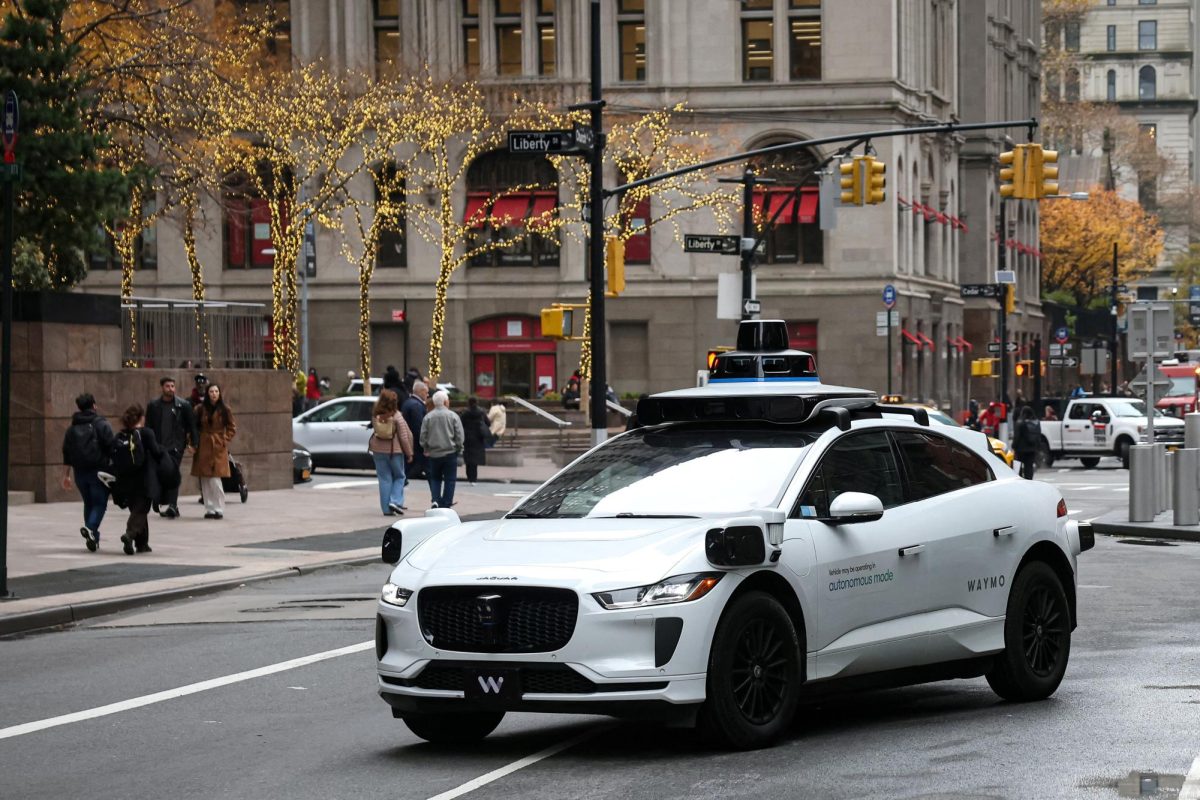
Then came Waymo. Launching commercial service in 2020, Waymo introduced something radically different: a ride with no driver at all. For some young women, that absence feels like a sigh of relief—no unpredictable stranger, no awkward conversation, no risk of someone else controlling the wheel. For others, the lack of a human driver creates a new kind of uncertainty. Without a person upfront, who is accountable when something goes wrong?
Waymo’s safety record is still evolving. According to the National Highway Traffic Safety Administration (NHTSA), there were 696 Waymo-involved incidents between 2021 and 2024, resulting in 47 injuries (3 serious, 6 moderate, and 38 minor). In 2025 alone, as of August 26, an additional 464 incidents were recorded, including one fatality and 31 injuries. These incidents involved autonomous vehicles but were not always caused by them.
Waymo’s footprint has grown rapidly. The company now operates in Phoenix, San Francisco, Los Angeles, Atlanta, and Austin, with announced plans to expand into Miami, Dallas, Houston, San Antonio, Orlando, and eventually cities such as San Diego, Detroit, and Las Vegas. Expansion signals confidence, but also means more riders must decide whether they trust a car that drives itself.
To get a clearer sense of how young women feel about the two services, I interviewed girls around my school’s campus based on three factors: Comfort, Reliability, and Safety.
The four female users expressed distinct preferences regarding comfort, reliability, and safety in Uber and Waymo. For Uber, Lucia noted that she feels most comfortable when the car offers amenities such as water and is not a Tesla, while Sofia prefers nicer cars and welcoming drivers. In contrast, Colette appreciates Waymo for the lack of required conversation and the ability to control features like music, door locks, and temperature, and Chloe described the rides as quiet, calming, and free of unpleasant smells. In terms of reliability, Lucia values being able to track the Uber driver’s location, arrival time, and rating, and Sofia finds the drivers’ ratings and text updates reassuring. Colette views Waymo as more reliable due to its precise sensor technology and consistent rule-following, and Chloe emphasized the smooth, safe feeling of the ride. Regarding safety, Lucia trusts Uber’s driver screening and feels especially secure with women drivers, while Sofia feels safer when the driver is quiet and focused. Meanwhile, Colette praised Waymo’s safety reminders and personalized ride features, and Chloe described the experience as simple and safe, while also being free from uncomfortable interactions.
For young women today, choosing between Uber and Waymo isn’t just about price or convenience, it’s about control. Uber offers human interaction, a sense of familiarity and lots of availability, but also carries the risks associated with sharing a tight space with a stranger for a period of time. Waymo entirely removes the human element, which can feel either soothing or unnerving depending on the rider.
Both services have safety concerns, both offer advantages, and both continue to evolve. But as rideshare technology grows and as women’s safety concerns are finally taken seriously, one thing is clear: young women are no longer choosing their transportation solely by which ride arrives first, they’re choosing based on which one makes them feel safest getting home.

Mirlo McAlister • Feb 4, 2026 at 1:34 pm
Safety is priority for parents too.