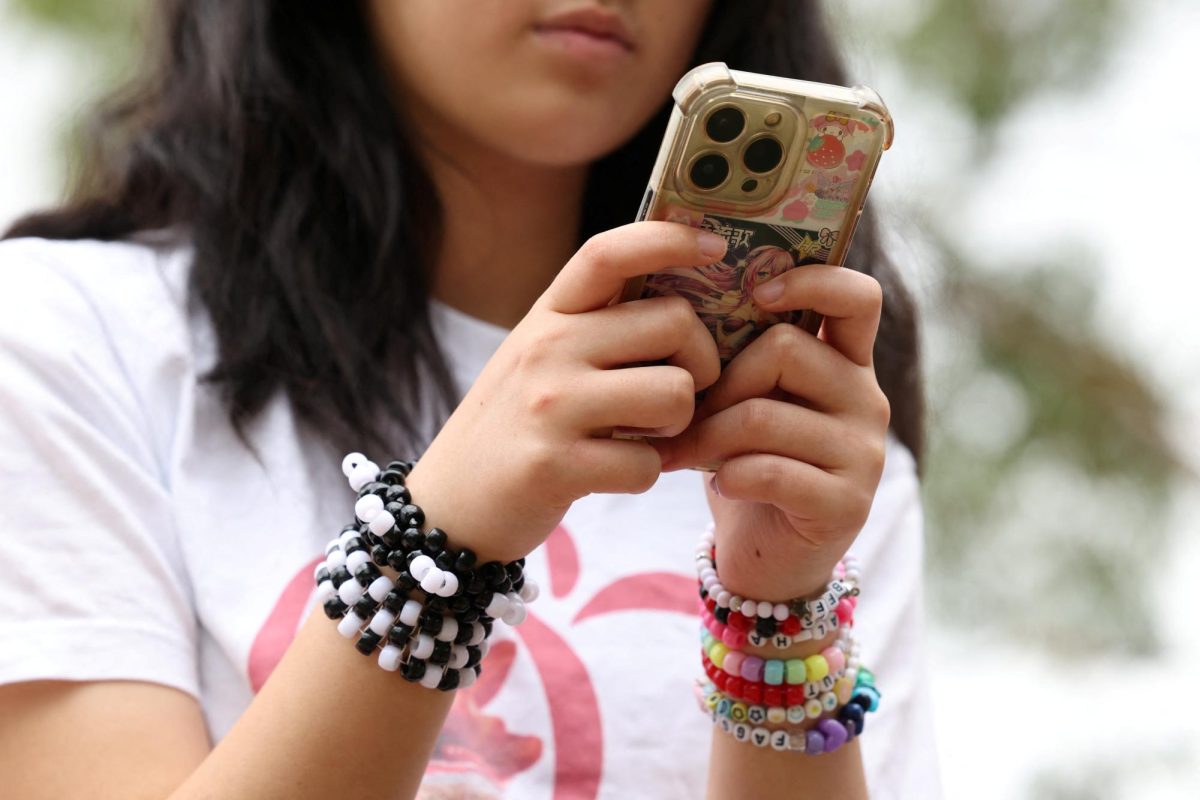
For a majority of teenage girls today, the day begins with one routine,wake up, grab your phone, and start scrolling. As they move through their feeds, many start comparing themselves to the edited, filtered, and often unrealistic posts and stories people share on Instagram. It’s easy to forget that these images are carefully curated, and as a result, girls can start to feel envy or insecure. This pressure pushes many to believe they need to change something about themselves, their body, their face, or even their personality, in order to fit in with a standard that isn’t real in the first place.
Self-image is something almost every girl struggles with, and honestly, social media has made the issue much worse. Before social media, a young girl’s biggest worry was deciding what they wanted for Christmas, or deciding whether to wear a pink shirt or a tie-dye shirt to school. But now, those simple choices have been replaced by constant comparison, as social media magnifies insecurities that once felt so small. Although apps like Instagram, TikTok, and Snapchat have an age limit of 13 to join, a lot of kids join way earlier. One study found that over 40% of 10-year-olds were already using Instagram or Snapchat, and as they got older their self-esteem seemed to plummet. This puts a strain on parents, who don’t want to take away their children’s independence by limiting their devices, but feel responsible for protecting them from the toxic side of online media, leading them to feel the need to be a helicopter parent and constantly watch what their child is doing.
When girls are spending hours on social media each day, it can slowly deteriorate how they view themselves and their self-worth. One study found that using social media for more than three hours a day was linked to more comparison, more stress about their appearance, and noticeably lower self-esteem. And for older teens and young adults, almost 46% of people who constantly compare their bodies online show signs of eating-disorder risk. This is especially concerning because it shows not only how early these insecurities can take root, but how intensely social media shapes the way girls see themselves. It creates a world where unrealistic beauty standards feel normal, even expected, long before they’re old enough to realize that most of what they’re comparing themselves to is edited, filtered, or completely fake.
I spoke with seniors Gracie Miller and Chloe Guerra about how social media has shaped the way they view themselves and the world around them. Miller explained that social media hasn’t affected her “physically but more materialistically,” adding that “seeing things that other people have makes me feel like I don’t have as much, when in reality I’m extremely privileged.” Guerra shared that, as a senior, seeing “other people post their colleges” makes her feel self-conscious and worried about “if I am smart enough to get in.” I then asked when they had first joined social media and whether they felt it was an appropriate age. Both said they joined in fourth grade and agreed it was “too soon” and that they “should’ve waited until they were older and more mature.” Their experiences highlight how social media can shape not only physical self-image but also mental and materialistic pressures, often creating a desire for things people don’t have, and creating unrealistic comparison to others.
So when millions of girls look at their screens and think, Why don’t I look like her?, it’s not just them, it’s something social media is actively making worse for young girls all around the world. The constant pressure, the filters, the comparisons, and the unrealistic beauty standards make it really hard for girls to feel confident or even just okay about themselves. It creates a mindset where their worth starts to feel measured by likes and comments instead of who they actually are. And over time, this can chip away at their sense of identity, making them believe they need to change themselves just to be accepted.
Sources