
My face was constantly red, irritated, and inflamed, bursting with painful new pustules every day. Like many other teens, I was forced to cope with both physical discomfort and emotional burden as the blemishes engulfed my skin. My struggle with acne began in the sixth grade, during which, my face became consumed by the excruciating red bumps. After months of research accompanied by constant trial and error, I found a topical regimen that kept the acne at bay. However, a short time into my freshman year, the issue returned rapidly and with more severity.
Alongside the stinging and throbbing these fiery invaders caused, they had dug deep holes into my self-esteem and confidence. The “shame of acne” was a tiresome burden that grew heavier and heavier each day. “Seeing kids in my grade with clear skin made me feel insecure. I felt nervous in photos. I avoided eye contact in class. I looked in the mirror for a long time and picked apart every small mark,” St. Francis High School senior Robert Lea recounted. The stigma surrounding acne is rooted in misconceptions of blame and shame. These ideas often inaccurately pin breakouts on poor hygiene and stems from societal notions that idealize “glass skin.” Therefore, such standards subject those dealing with acne to face the humiliation and disgust associated with it, many times leading them to self-isolate.
“I was doing everything I could practically, and I was still having breakouts, new ones, not just old ones,” Harlinn Moriarty, Mayfield Senior School student recalled. Harlinn sought professional aid after her efforts proved ineffective in resolving the problem. Harlinn paints a picture of the utter frustration and feelings of hopelessness that accompany one’s fruitless advances to health. Her story hits too close to home for myself and many other teens hoping to be free of stubborn acne. Vivian Schneider, Mayfield Senior School sophomore, described how acne was always a lingering thought in her mind, saying she found herself at a point of complete despair.
In every account, one shared emotion solidifies itself. Desperation. In this desperation, we all consulted with a dermatologist. Following other recommended treatments, Robert and Vivian were prescribed Accutane.
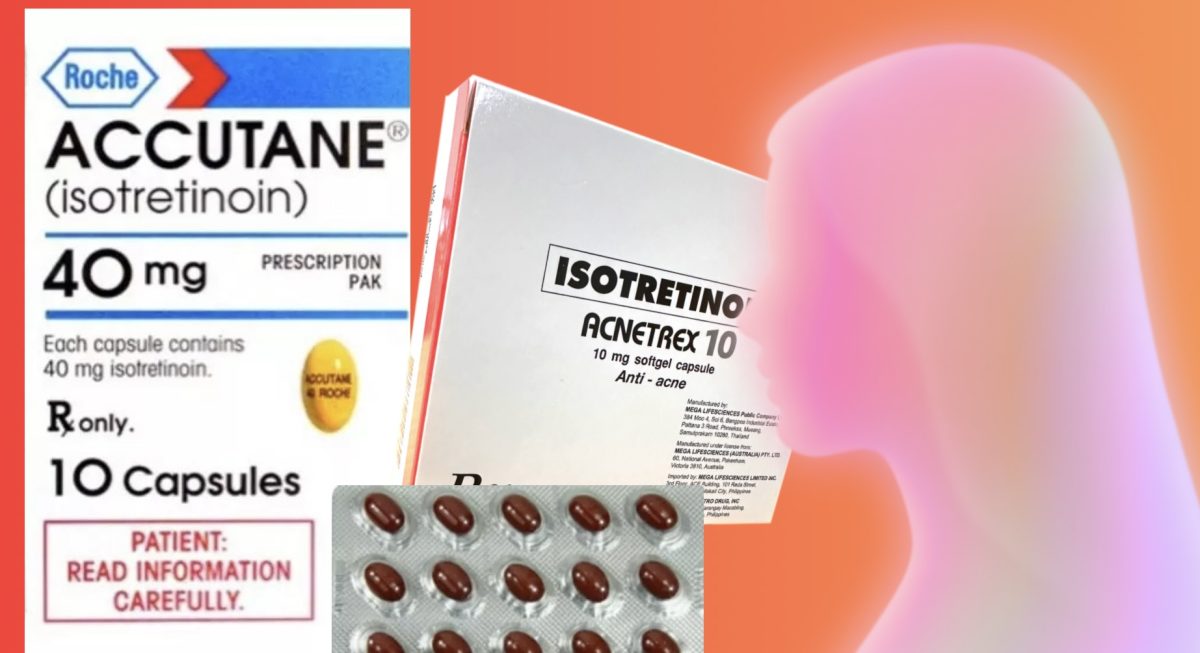
According to the Dermatology Group of the Carolinas, oral isotretinoin, the medication under the brand name Accutane, works by targeting the common bodily factors contributing to acne. The drug therefore, tapers sebaceous glands, normalizes dead skin shedding, acts as an anti-inflammatory, and diminishes bacteria. Although isotretinoin is no longer sold under the brand’s title, many continue referring to the medication as such. This retinoid is especially favorable for those with cystic or stubborn acne, renowned for its ability to diminish even the most resistant spots and reduce scarring.
According to the National Library of Medicine, the number of isotretinoin prescriptions has increased annually from 2013 to 2023 multiplying by 78.6% in ten years and continuing to grow in the last couple years. With that being said, the drug has been popular among many teens and young adults as acne typically affects those between the ages of 12 and 24. “Accutane’s popularity has sky-rocketed because of its effectiveness, it is really really effective on teenagers with acne,” states Ramille Villanueva, an allergy and skin nurse from Kaiser Permanente Hospital. Ramille went on to mention that the medication has proved particularly efficient in teenagers as teenage acne is primarily fueled by hormonal fluctuations that cause excessive oil production, a factor that isotretinoin addresses.
Nevertheless, some possible side effects of Accutane include skin redness, blistering and peeling or allergic reactions, and, in extreme situations, liver or stomach injury, increased brain pressure, and vision changes. I, myself was intimated by its potency, the risk these complications posed, in addition to the process one would need to undergo while on the drug.
“I had to get blood work. I had to check in every month. The dryness hit fast. My lips cracked. My skin peeled,” Robert remarked. The practices worried Harlinn, who opted against the medication, fearing that she “would need to have [her] blood drawn and take pregnancy tests frequently.” She claims she had been made aware that Accutane “has side effects on the oil glands” and knew from friends that it may “make your skin, and then your hair dehydrated.”
For Vivian, however, the reward outweighs the risk. She asserts that she was not afraid of the side effects, and believes she saw substantial improvement. After overcoming the skin dryness and “purging period,” during which her acne became more inflamed, Vivian insists her skin is now “getting better.” However, although she commends Accutane’s advantages, she still views the drugs as a last resort.
For countless teens, the struggle with acne has been an uphill battle. While some may find comfort in regimens and medications like Accutane, many spend hundreds of dollars, jumping from product to product, routine to new routine with no avail. These stubborn, fiery invaders bring on a stinging and throbbing that oftentimes penetrate far beneath the skin’s surface, leaving internal scarring as well. Nonetheless, while these accounts make it clear that desperate times call for desperate measures, they serve as a reminder that one must know their body to make conscious, informed decisions and achieve the best outcome.